


By a consultant expert in high-end pastry, chocolate, and confectionery, specializing in alternative formulations: vegan, gluten-free, lactose-free, keto, and reduced sugar.
The display that looks like all the others
Step into any coffee shop in France today. You’ll almost certainly find the same chocolate brownie under a dome, the same reheated butter croissant, the same lemon tartlet. The menu is interchangeable. And your customer knows it.
Yet, nearly one in four French people follows a specific diet or has a food intolerance. Among 25–40-year-olds, the core target of coffee shops, it’s more than one in three.
The real question is: “How do you create an offering where everyone finds something for them and everyone wants it?”
1. The Coffee Shop in 2025: a Saturated Market Searching for Its Identity
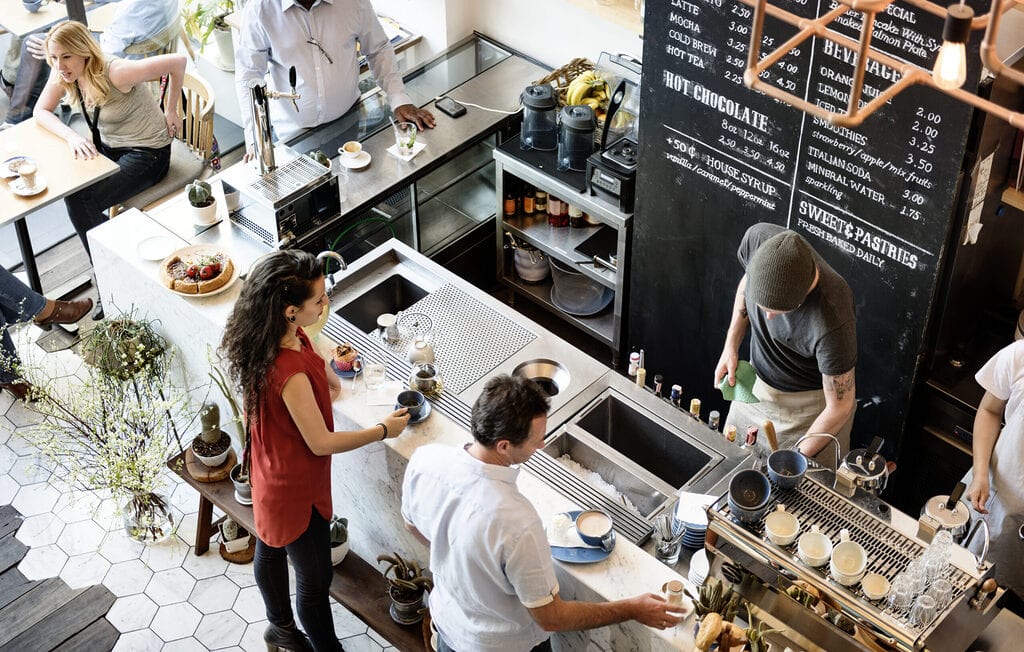
The coffee shop market in France has exploded over the past ten years. More than 5,000 independent establishments now coexist with national and international chains.
The problem: the offering has become homogenized. The flat white, latte art, and display of sliced cakes have become standards.
In this context, the price war is already lost for independents. The only possible path is differentiation! And this distinction is no longer about the coffee, but about what you offer on the plate alongside it.
2. Alternative Pastry: What Are We Really Talking About?
Offering alternative pastries in a coffee shop doesn’t mean targeting one group at the expense of another, but rather broadening accessibility. Some customers have medical restrictions, others make lifestyle choices (vegan, reduced sugar, nutritional focus), and still others have no restrictions but are drawn to a well-presented offering.
However, they all share the same expectation: appealing and well-executed products. A successful alternative pastry should never feel like a compromise, but rather an option that entices everyone.
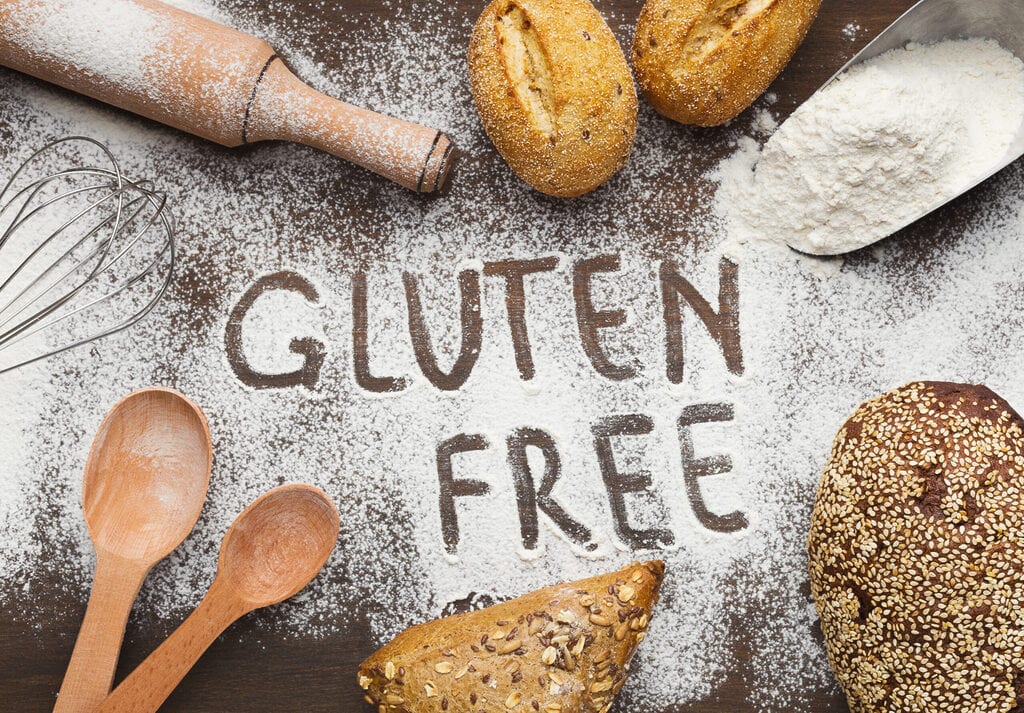
Gluten-free: neither dogma nor compromise.
Not all products deserve to be adapted at any cost: some recipes lend themselves naturally, while others, like the croissant, lose quality.
A more relevant approach is to highlight naturally gluten-free creations: financiers, coconut macaroons, brownies made with alternative flours, integrating them fully into the menu, with clear labeling and a trained team, without presenting them as substitute products.
3. Communication That Unites, Not Divides
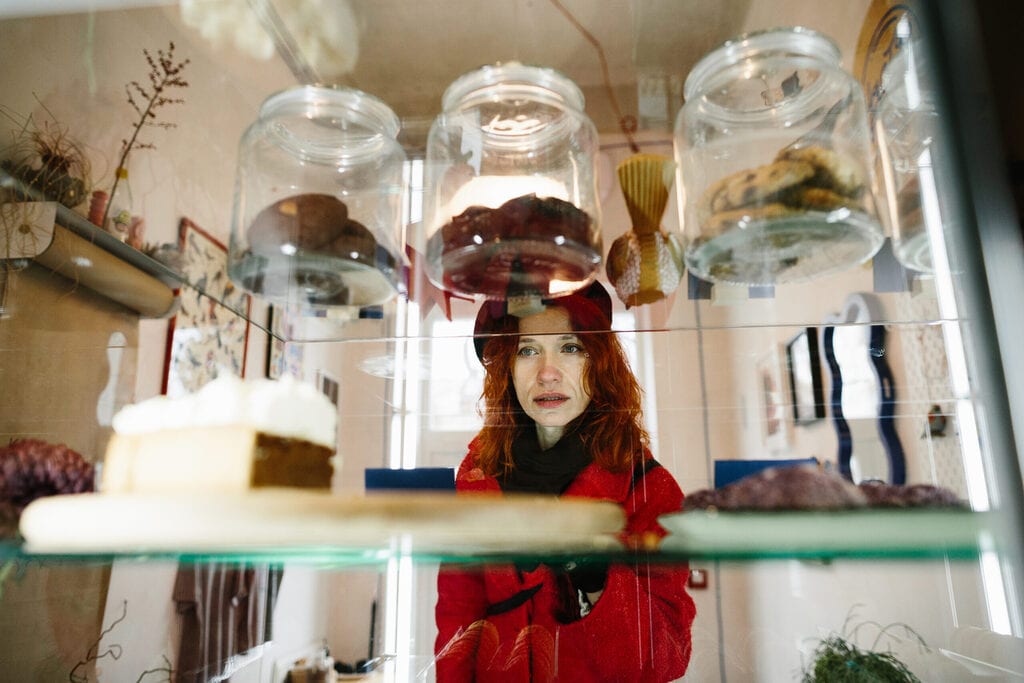
Isolating a “gluten-free” corner in the display, multiplying “VEGAN” labels, or grouping certain products on a “diet” shelf often comes from good intentions. Yet, these practices can have the opposite effect: they make these items less desirable for unrestricted customers and reinforce the idea that the alternative is an inferior option, meant for a separate clientele.
Effective communication relies instead on subtle inclusion. It highlights taste, texture, and ingredient quality first, while clearly indicating allergens and specific attributes (both for legal requirements and transparency).
You should also not underestimate the group effect. In many cases, it’s the person with the strictest dietary restriction who influences the choice of venue. If you can offer them nothing, you lose the entire group. Conversely, providing a truly high-quality option, integrated at the same level as the rest of the menu, promotes loyalty and naturally attracts a wider clientele.
4. Concrete Business Stakes: Margin, Loyalty, Reputation
Well-positioned alternative items also allow for higher selling prices. Customers with dietary restrictions are accustomed to paying a premium when they find a truly high-quality offering. A naturally gluten-free brownie, well executed, can sell 10 to 20% more than its classic version — not because it’s “special,” but because it is perceived as more refined.
Beyond price, the challenge is customer loyalty. This clientele is particularly loyal: once they find a reliable spot, they return and recommend it. Gluten-free, vegan, or keto communities are very active on social media and in recommendation groups.
5. How to Integrate Alternative Pastry Without Reinventing Everything
It’s not about turning your menu into a diet catalog, but rather integrating two or three solid alternative items, chosen based on your clientele. The logic is simple: less, but better. A quick audit is often enough to reveal the potential.
Some mistakes are, however, common:
1 – Outsourcing without control: reselling generic products bought from wholesalers weakens your credibility if no explanation or quality standards accompany them.
2 – Poorly trained team: unable to answer questions accurately about ingredients or allergens, undermines trust at the decisive moment.
3 – Divisive communication: a display that separates “regular” products from “diet” products doesn’t unite, it divides.
Specialized pastry consulting support helps avoid costly mistakes, save time, and build a truly differentiated offering capable of appealing to your entire clientele.
Frequently Asked Questions:
Why integrate alternative pastry in a coffee shop?
Nearly one in four French people has a dietary restriction, and these customers rarely come alone. They influence the group’s choice. A well-designed alternative offering allows you to welcome everyone and build customer loyalty.
Do you need to reformulate everything to offer gluten-free options?
No. Some recipes can be intelligently adapted. Others, like the croissant, are better left in their original form. Moreover, many items are naturally gluten-free and only require clear labeling and presentation.
How to integrate these products without segmenting the display?
Avoid any visible separation. Alternative items should be presented with the same care and visual cues as the classics.
What is an alternative “café gourmand”?
The café gourmand pairs a drink with several small sweet treats. It’s a strategic format for introducing alternative items.
Conclusion
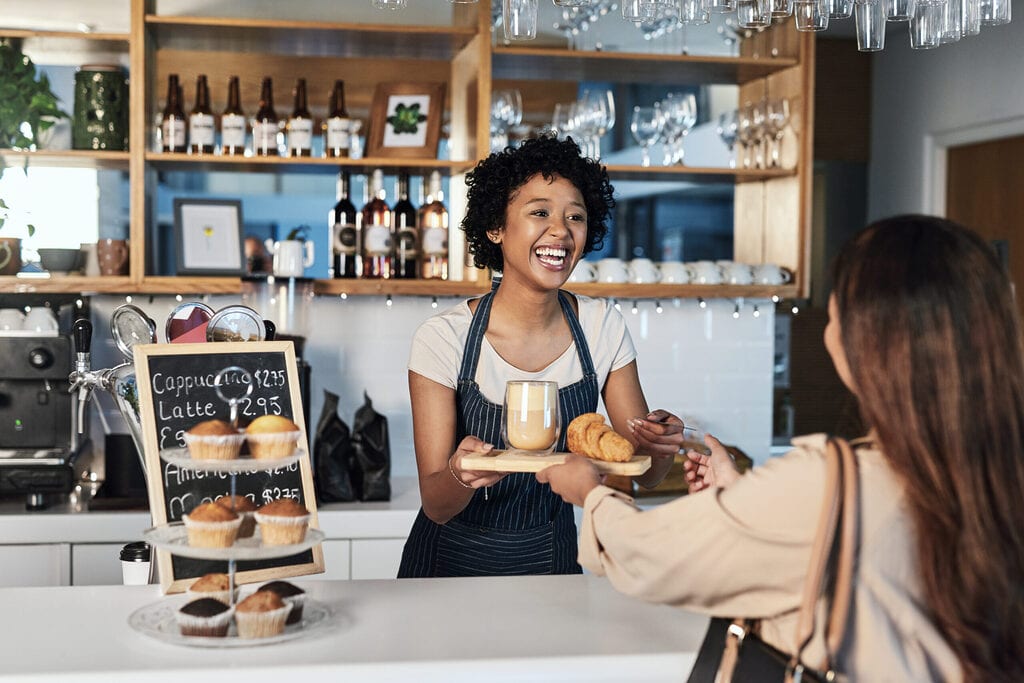
The differentiation of tomorrow’s coffee shop will no longer rely solely on the quality of the coffee. It will depend on a establishment’s ability to welcome all customer types around the same display, without anyone feeling excluded or set apart.
A well-designed alternative pastry is a true strategic investment: in positioning, loyalty, and reputation.
Do you want to audit your offering and identify concrete opportunities tailored to your coffee shop?☕️
Contact me for a discovery call!
Related articles

