


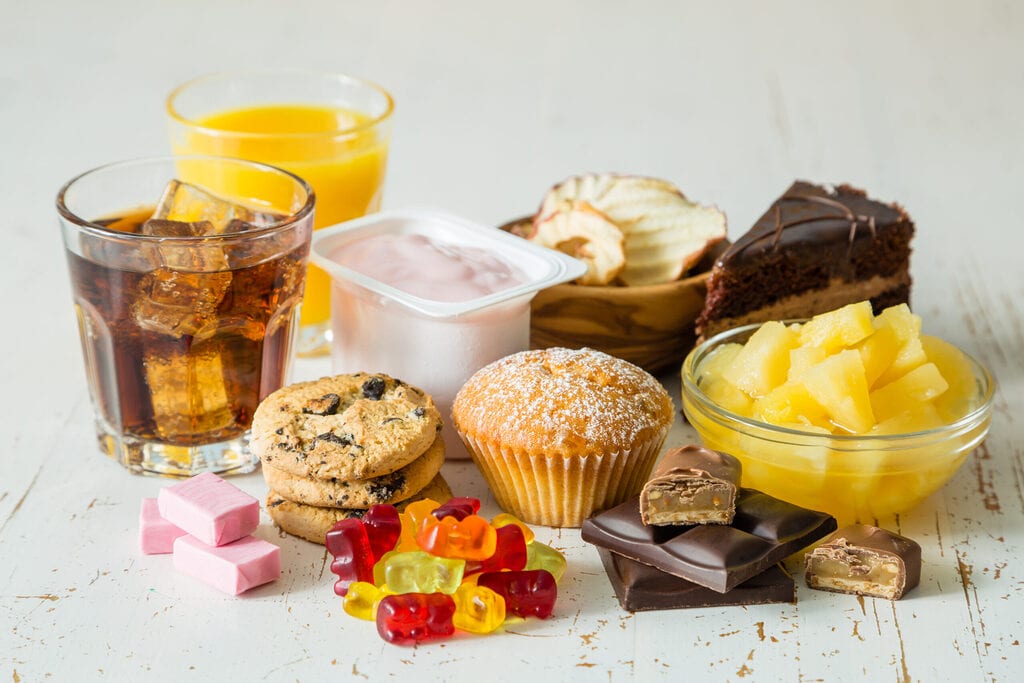
Reducing sugar in professional pastry means intervening simultaneously on the structure, preservation, color and sensory perception of a recipe. Unlike a simple weight-for-weight substitution, it is a reformulation project that requires knowledge of ingredient chemistry. This guide presents 10 technical methods validated in the laboratory.
Summary table: sugar substitutes in professional pastry
| Substitute | Main function | Best use | Technical limit |
|---|---|---|---|
| Allulose | Structure + browning (Maillard) | Biscuits, caramels, tart shells | 70% less sweet than sucrose |
| Inulin | Dry matter + body + prebiotic | Creams, mousses, ganaches | Max 15% in the formula |
| Micronized erythritol | Mass + cooling effect | Cold preparations, ganaches | Crystallizes if not dissolved properly |
| Isomalt | Stable sugar work | Caramels, decorations, sauces | 2x less sweet than sucrose |
| Vegetable glycerin | Water retention (hygroscopic) | Ganaches, chocolate confectionery | Max dosage 5 to 8% |
| NH / LM pectin | Sugar-free gelling | Inserts, jams, jellies | Replaces standard pectin entirely |
Reducing sugar in a professional recipe is not something you can improvise. Sugar provides structure, preservation, color, and water retention. Removing 20% without reformulating the rest risks destabilizing everything. Here are 10 concrete tips, grounded in real lab practice, to achieve it without compromising quality.
BEFORE STARTING: THE 4 FUNCTIONS OF SUGAR TO KEEP IN MIND
- Sweetness : the perceived sweetness on the palate.
- Structure and dry matter : texture, bite, softness.
- Hygroscopicity : water retention, shelf life.
- Color and aromas : Maillard reaction, caramelization
Any reduction must take these four factors into account simultaneously.
The 10 Tips
01 Using allulose for baked preparations
FORMULATION
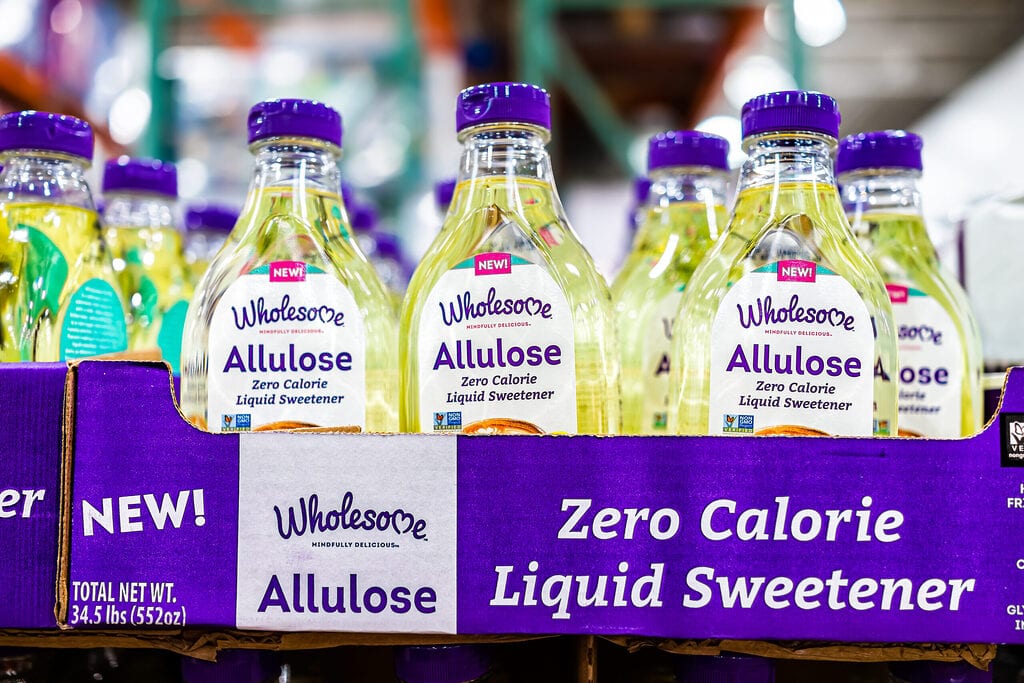
Allulose starts browning between 150 and 160°C, similar to caramelization. It has a nearly zero glycemic index, integrates well on the palate, and helps maintain a soft texture. Ideal for cookies, tart bases, and reduced-sugar caramels. It is not just a substitute: it actively contributes to the structure of preparations.
02 Compensate for lost dry mass with inulin
DRY MATTER
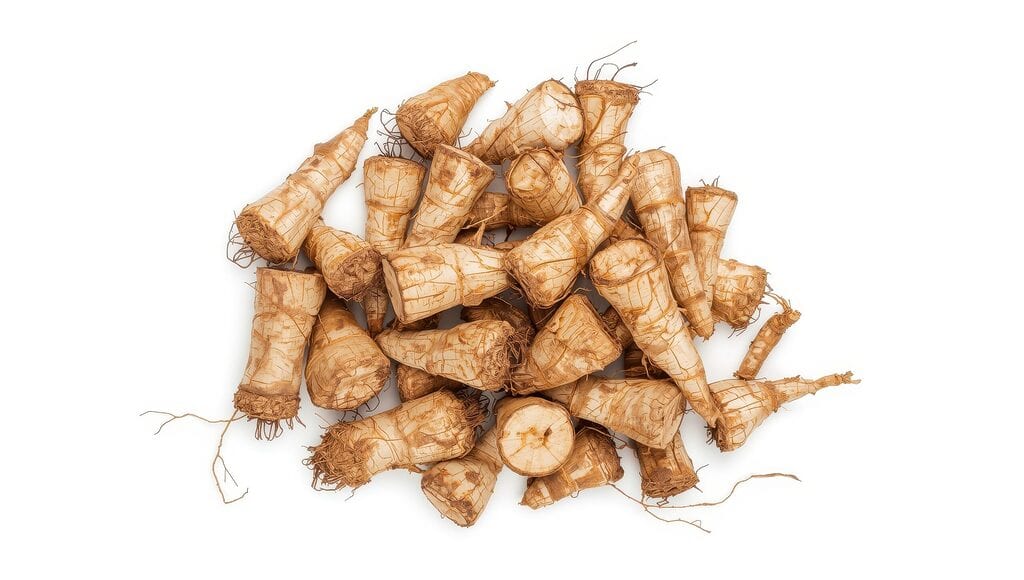
Less sugar means less dry matter. Inulin can replace up to 100% of sugar in some formulations. It adds body to creams and mousses while stabilizing texture without altering sweetness. It also acts as a prebiotic, a direct health benefit for hotel and restaurant clients.
03 Micronize erythritol to avoid a grainy texture
TEXTURE
Erythritol tends to crystallize in cold preparations, creating an unpleasant grainy texture and an unwanted cooling effect. To avoid this, dissolve it at 80–90°C in the aqueous phase before incorporation. Always use the micronized version. Used alone, its limitations are quickly reached. It works best in combination.
04 Work with blends rather than single substitutions
BALANCE
A single sugar alternative can never replicate the full profile of sucrose. By combining cellulose, inulin, and erythritol, you achieve a more balanced sweetness with no aftertaste, suitable for ganaches, creams, and inserts. This is a formulation approach, not a simple 1:1 replacement.
05 Maintain water retention with vegetable glycerin
HYGROSCOPICITY
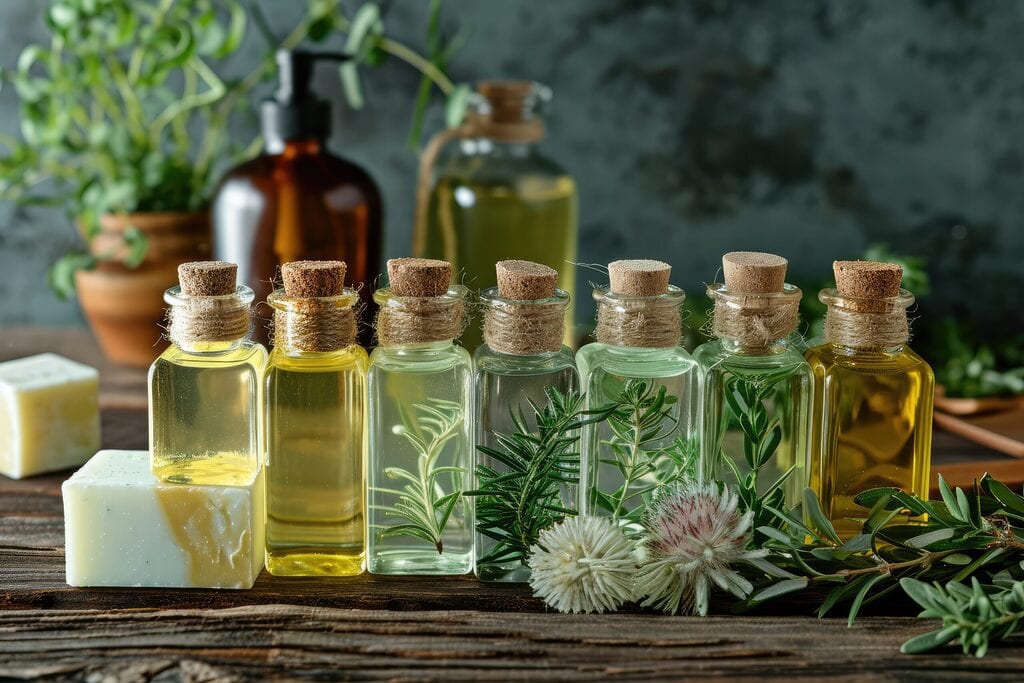
Sugar retains water and prevents drying. Reducing it causes products to dry faster and shortens shelf life. To compensate, add 5–8% vegetable glycerin, which is highly hygroscopic. It helps retain moisture in ganaches and chocolate confections. Without this step, even a moderate reduction can ruin a product’s stability in display within 48 hours.
06 Enhance sweet perception with warm flavors
SENSORY PERCEPTION
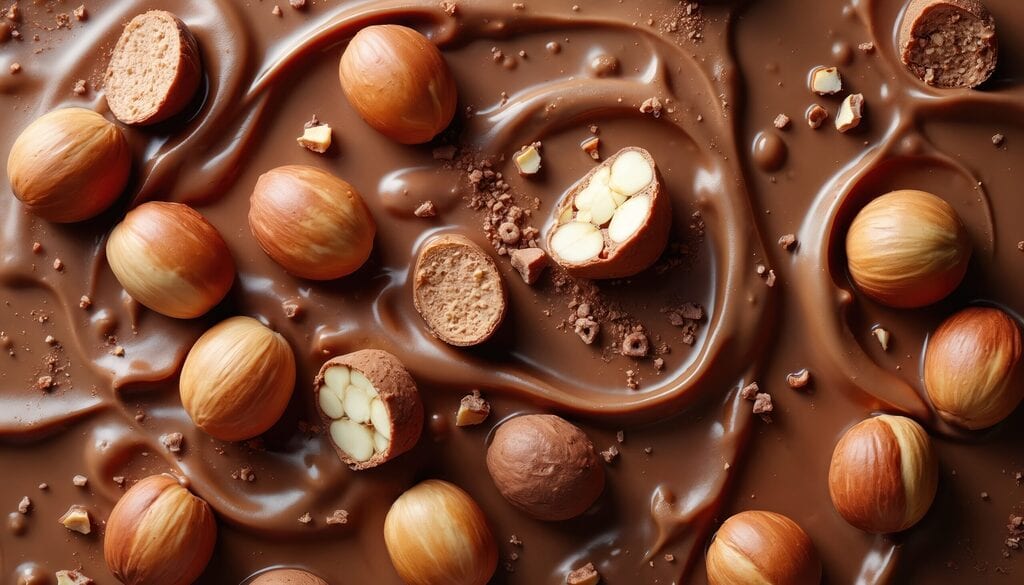
Vanilla, tonka bean, roasted hazelnut, cinnamon : increase the perception of sweetness without adding sugar. The brain associates these flavors with indulgence, partially compensating for reduced sweetness. In contrast, mint and lemon enhance the cooling effect of polyols.
07 Adapt pectin for inserts and jams
GELATION
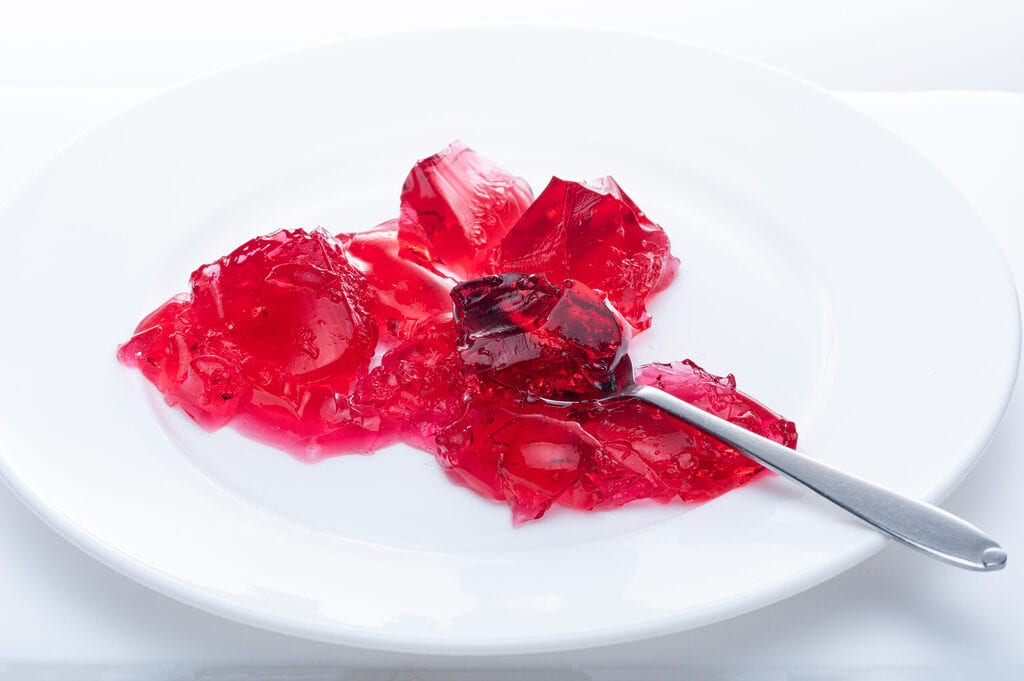
Classic pectins require sufficient sugar concentration to gel properly. When sugar is reduced, the gel may not set or becomes fragile. To avoid this, use NH or LM pectin, which works with calcium and does not depend on sugar. Adding about 20% allulose also helps achieve a soft gel with clear fruit inserts.

08 Choose isomalt for decorations and caramels
GLYCEMIC INDEX
Derived from beet sugar, isomalt has a glycemic index of 8. It is stable during cooking and does not recrystallize in an uncontrolled way. It offers a smooth, balanced taste, suitable for sauces and decorative elements. However, its sweetness is about half that of sucrose, so quantities must be adjusted accordingly.
09 Roast powders to compensate for the loss of Maillard reactions
AROMAS AND COLOR
Reducing sugar lowers the Maillard reaction during baking : products brown less and develop fewer aromas. Pre-roasting almonds, hazelnuts, or cocoa helps compensate for this aromatic deficit in cookies and sponge cakes.
10 Reduce step by step, test, and reformulate the overall balance
METHOD
Any substitution simultaneously affects water activity, dry matter, texture, shelf life, and sensory perception. Reduce sugar gradually, in steps of no more than 10–15%, adjusting parameters at each stage. Validate with sensory testing before scaling up. Each product requires its own specific reformulation.
What this changes in practice
Reducing sugar across an entire range is an R&D project, not a quick substitution. Establishments that do it well benefit in three ways : a strong health-focused selling point, differentiation in growing segments (low GI, diabetic-friendly, sports nutrition), and better control over their formulations.
In high-end hospitality and catering, this has become an expected standard. Guests read menus and ask questions. Being able to provide a precise, technical answer about taste is no longer a bonus : it is a requirement.
Are you working on a reduced-sugar reformulation or looking to train your team?
Related articles

