


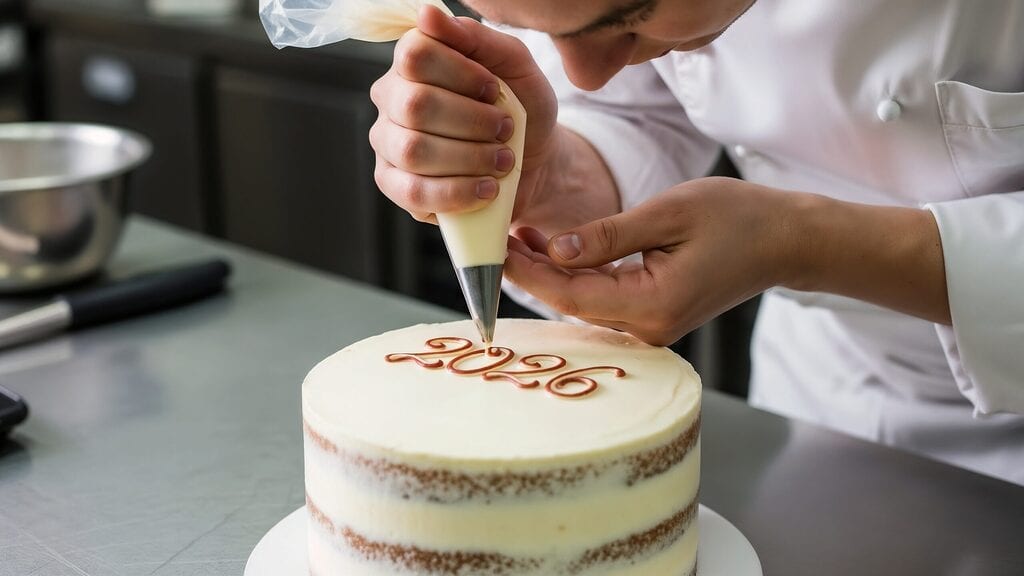
In 2026, pastry is no longer just about taste. It is a positioning tool. Three major trends are reshaping customer expectations, whether you run a hotel, a restaurant, or a culinary school.
What you will learn :
- Inclusive pastry is becoming a commercial standard
- Texture is replacing sugar as the driver of pleasure
- Sustainability and clarity: two silent expectations
01 Inclusive pastry is becoming a commercial standard
30% of consumers now follow a specific diet: gluten-free, lactose-free, vegan, or low-sugar.
A customer with dietary restrictions never comes alone.
They arrive with friends, family, or colleagues who do not have any restrictions.
Failing to meet their needs often means losing the entire table.
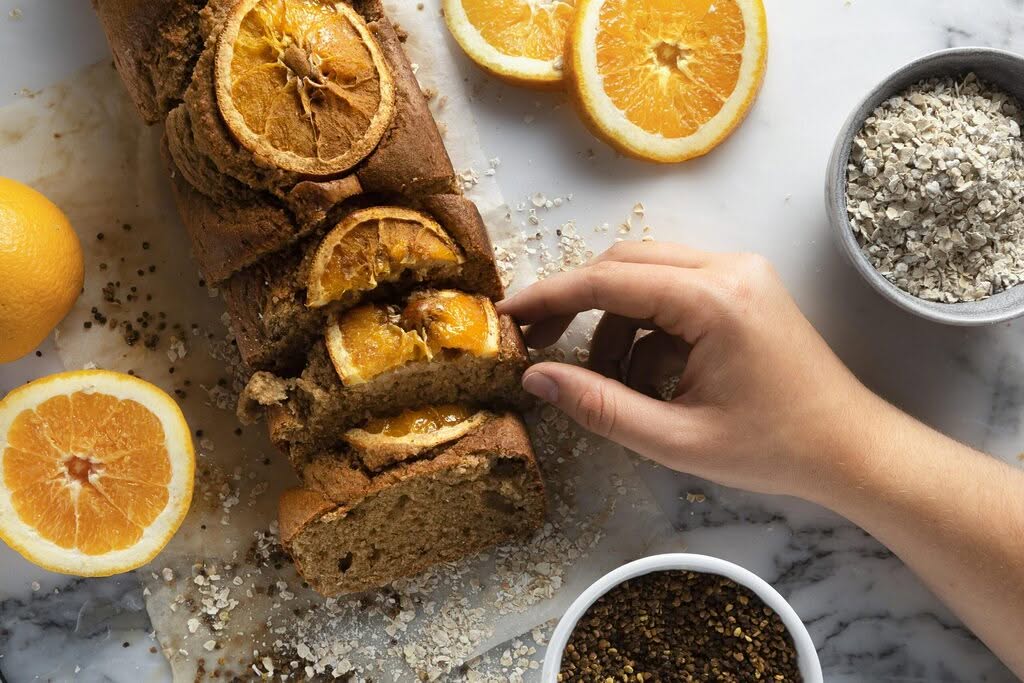
Reformulate, not just substitute
The most common reflex is to replace one ingredient with another.
This is a mistake.
In a recipe, each ingredient plays multiple roles :
- Flour provides structure and water absorption
- Eggs control coagulation, emulsification, and aeration
- Butter provides texture, melting, and flavor
Removing one ingredient without understanding its function unbalances the entire recipe.
The right approach is to identify each function and compensate for it with the right tools.
Concrete example : a dacquoise is naturally gluten-free, but still high in sugar. It is not suitable for a low-GI diet without adaptation. The expertise lies in balancing these parameters.
02 Texture replaces sugar as the driver of pleasure
Customers want less sugar. But reducing it without method leads to flat, uninteresting desserts.
Because sugar does much more than sweeten :
- It creates color and caramelization (Maillard reaction)
- It preserves and stabilizes texture
- It balances bitter, acidic, or fatty flavors

Building pleasure differently
The solution is not to remove, but to compensate.
Texturizing agents and hydrocolloids allow you to create rich sensory experiences without relying on sugar :
- Crispy, melting, creamy, airy : texture contrasts create satisfaction
- Pectin, agar-agar, gelatin : each has specific properties and uses
- A well-structured whipped ganache or a properly balanced cream is often more appreciated than a very sweet dessert
Key takeaway : less sugar but rich in textures is often perceived as more refined. This is an opportunity to move upmarket, not a constraint.
03 Sustainability and clarity: two silent expectations
These two expectations are not driven by visible trends or explicit demands.
Yet they influence your customers’ choices every day.
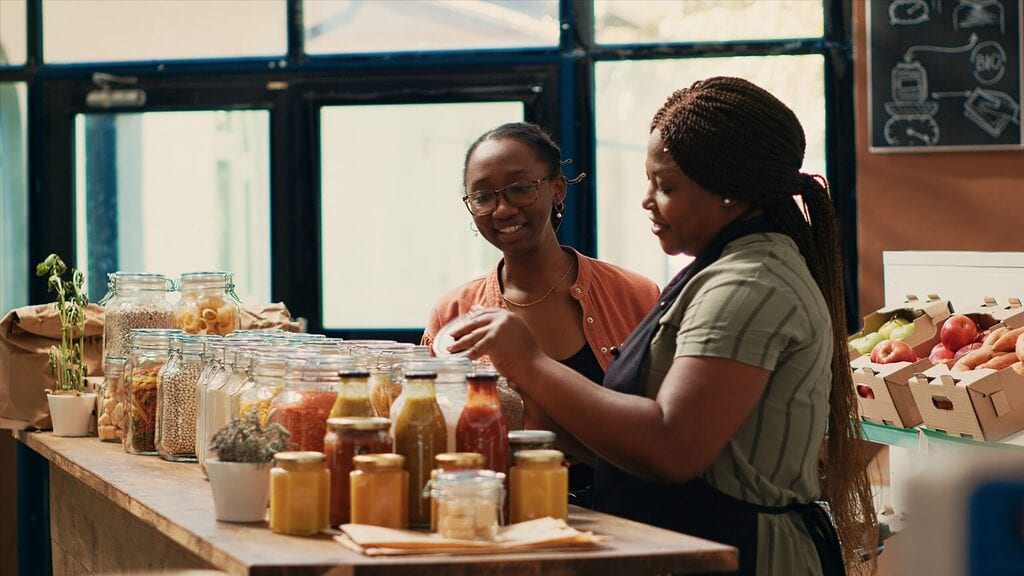
Sustainability is not just a message
- Customers can distinguish between genuine commitment and marketing speech.
- What matters : the origin of cocoa, the quality of butter, the seasonality of fruit
- A local and seasonal product is often better in taste. This is the most important argument.
Clarity builds trust
- A short, well-written menu reassures more than a long and complex list.
- Naming the origin of chocolate or the variety of fruit : is no longer reserved for high-end establishments.
- A confusing offer creates distrust, regardless of its actual quality.
For teams : understanding raw materials, working with seasonality, and designing a coherent menu are skills to develop—not minor details.
Frequently asked questions about professional pastry in 2026
In summary
Inclusivity is a commercial lever, not a constraint.
Well-controlled texture compensates for sugar reduction without sacrificing pleasure.
Sustainability and clarity are now expected standards at every level.

