



A pastry chef swaps white sugar for coconut blossom sugar and thinks the diabetes question is settled. The reflex is understandable, the gesture is insufficient. Diabetes-friendly pastry is not an ingredient substitution, it is a global formulation exercise that requires going back to the function of each component.
Diabetes-friendly pastry: what to remember
- The GI of an ingredient is not enough. The relevant metric is the glycemic load calculated on the actual portion served.
- Coconut blossom sugar is not diabetes-friendly. Its real GI is 54 (University of Sydney), not 35, and its composition is 70-80% sucrose.
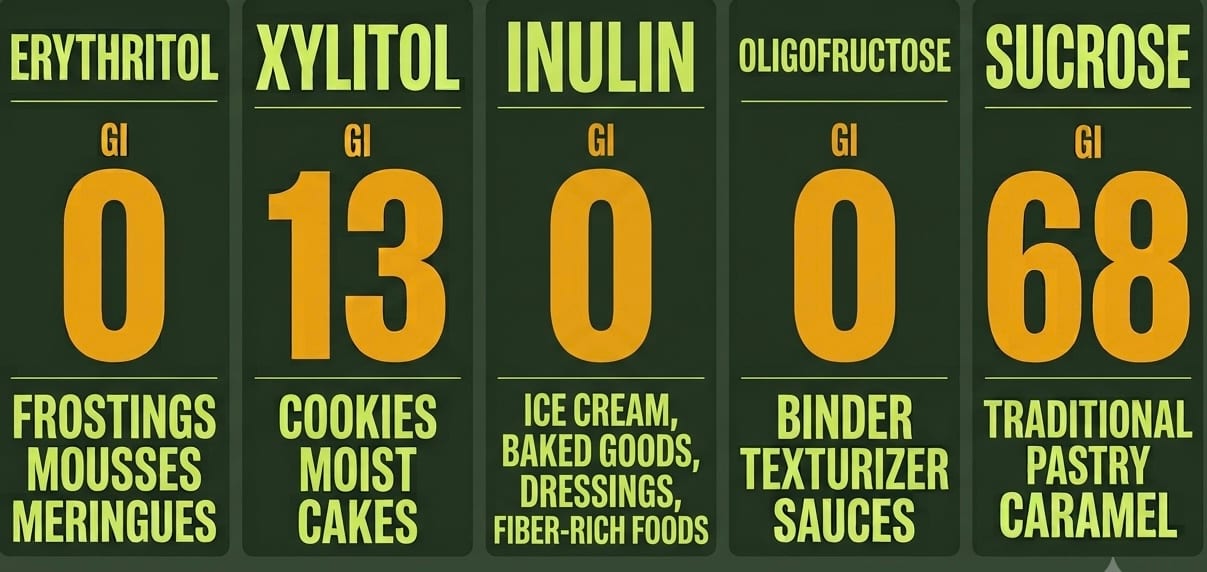
- Polyols are the real professional tools: erythritol for meringues and ganaches (GI 0), maltitol for chocolate (GI 35), xylitol for batters (GI 13).
- Work on flours matters as much as work on sugars. Multi-flour blends (almond, einkorn wholemeal, psyllium) are the professional route.
- The regulatory framework is strict. Regulation (EC) No 1924/2006 governs claims such as “sugar-free”, “no added sugar”, “reduced sugar content”, “source of fibre”.
In France, 7.1% of adults reported diabetes in 2024, around 3.8 million people treated pharmacologically according to Sante Publique France. The curve is rising steadily, and demand for an adapted pastry offering has become a strategic topic in high-end hospitality, fine dining and urban coffee shops. The pastry chef who masters this formulation gains a real commercial edge.
In this article, we break down the rigorous formulation method for desserts adapted to people living with diabetes. The figures come from the scientific literature in food science and from validated institutional sources. The angle is resolutely professional.
1. Moving beyond the GI dogma: what really matters in pastry
The Glycemic Index (GI) has entered common vocabulary over the past fifteen years, and that is a good thing. But used alone, it leads to formulation errors. To build a pastry genuinely adapted to people with diabetes, you need to understand its limits.
What the GI measures, and what it does not
The Glycemic Index is a value showing how a carbohydrate-containing food affects blood sugar over the two hours after ingestion. The reference is pure glucose (GI = 100). The standard classification:
- Low GI: below 55
- Medium GI: 56 to 69
- High GI: above 70
The GI is measured on an isolated ingredient, under standardised conditions with a portion containing 50 g of available carbohydrates. That is precisely where the trap lies: the GI says nothing about the quantity actually consumed. A low-GI dessert served in a large portion can have a greater glycemic impact than a higher-GI dessert served in a small portion.
The relevant metric: glycemic load
Glycemic load (GL) incorporates the quantity of carbohydrates actually consumed. It is the metric that truly matters for a person with diabetes.
GL = (GI x grams of available carbohydrates per portion) / 100
- Low GL: below 10
- Moderate GL: 11 to 19
- High GL: above 20
For a professional pastry chef, the consequence is direct: a dessert can be described as diabetes-friendly only after calculating its real glycemic load on the portion served. Not before.
The matrix effect: other components alter the real response
The same sugar in a matrix rich in fats, fibre or protein produces a different glycemic response from the same sugar alone. This is the matrix effect, and it is probably the most powerful and most underused lever in professional pastry. We return to it in part 4.
Type 1 and type 2 diabetes: the constraints differ
| Profile | Characteristics | What matters |
|---|---|---|
| Type 1 diabetes | Insulin-dependent. Insulin doses adjusted to carbohydrates consumed to the gram. | Traceability of the dessert’s carbohydrate content |
| Type 2 diabetes | 90 to 92% of cases. Limiting overall glycemic load and insulin demand. | Low-GI and moderate-GL formulations |
| Professional B2B offering | Full documentation of nutritional information. | Verifiable figures, not just a label |
2. Overview of sugars and sweeteners: what works, what does not
The coconut blossom sugar myth
Coconut blossom sugar has been presented for ten years as the magic alternative to sucrose for people with diabetes. This presentation rests on a GI announced at 35, measured by the Philippine Coconut Authority in 2010. The problem: that study was never independently replicated.
The University of Sydney Glycemic Index Research Service, the global reference for GI measurement, published a value of 54 for coconut sugar. That is a medium GI, not a low one. Above all, compositional analysis shows that coconut blossom sugar is made up of 70-80% sucrose, with 3 to 7% free glucose and fructose. It is an excellent ingredient for sugar-reduction desserts, but it is not a diabetes-friendly solution.
Polyols: the real professional tool for low-GI formulations
Polyols are bulk sweeteners. They have a molecular structure that lets them play a role equivalent to sucrose in formulation (dry matter contribution, hygroscopicity, anti-crystallisation) while presenting a very low GI and reduced calorie content.
| Sweetener | GI | Kcal/100g | Application |
|---|---|---|---|
| Erythritol | 0 | 20 | Meringues, ganaches, dry biscuits |
| Sorbitol | 9 | 260 | Chocolate work, ganache, preservation (Aw) |
| Isomalt | 9 | 200 | Pulled sugar, blown sugar, confectionery |
| Xylitol | 13 | 240 | Cake batters, soft biscuits |
| Maltitol | 35 | 160 | No-added-sugar chocolate, ice cream |
| Sucrose (reference) | 68 | 387 | Classic white sugar, to avoid in diabetes-friendly formulation |
Sources: University of Sydney Glycemic Index Research Service, USDA Food Data Central, supplier technical sheets (Sosa, Patiwizz). Indicative values, liable to vary by brand and manufacturing process.
- Erythritol: the best tolerated digestively, zero GI, very low calorie. Excellent for meringues, ganaches, dry biscuits. Limit: cooling sensation in the mouth, low sweetening power.
- Xylitol: sweetening power equivalent to sugar, low GI. Good behaviour in batter. Limit: toxic to dogs (caution in shared labs).
- Maltitol: closest to sucrose in physico-chemical properties. The most used in no-added-sugar chocolate and ice cream. Limit: moderate GI (35), higher than other polyols.
- Sorbitol: used mainly in chocolate work and ganache to reduce Aw and extend shelf life.
- Isomalt: very low hygroscopicity, ideal for pulled sugar, blown sugar and long-keeping confectionery.
Polyols are not digested like sugars. Beyond 10 to 20 g per day, they can cause digestive effects (bloating, laxative effect). The professional rule: never combine polyols across several desserts of the same menu, and flag the presence of polyols on the label (mandatory mention above 10% of the finished product).
Intense sweeteners: stevia and glycosides
Stevia (steviol glycosides) is a natural sweetener extracted from the Stevia rebaudiana plant. Depending on the molecule, its sweetening power is 40 to 300 times that of sucrose. Zero GI, zero calories. Stevia is always used in combination with a bulking agent (erythritol, fibre, inulin) that restores the missing volume.
Inulin and oligofructose: the real prebiotic fibres
Inulin and oligofructose are extracted mainly from chicory and agave. They are oligosaccharides made of a glucose molecule linked to several fructose molecules.
- Inulin: 5 to 20 fructose units, sweetening power 10% of sucrose, low GI, proven prebiotic effect, 1.5 kcal/g. Excellent for texture and fibre contribution.
- Oligofructose: 2 to 10 fructose units, sweetening power 30 to 50% of sucrose, low GI, prebiotic effect, reduced calorie content. More versatile in pastry formulation.
Building or auditing a diabetes-friendly pastry range for your establishment? This kind of formulation work is exactly what T.A. Consulting does with culinary teams.
3. Flours: putting carbohydrate back in its place
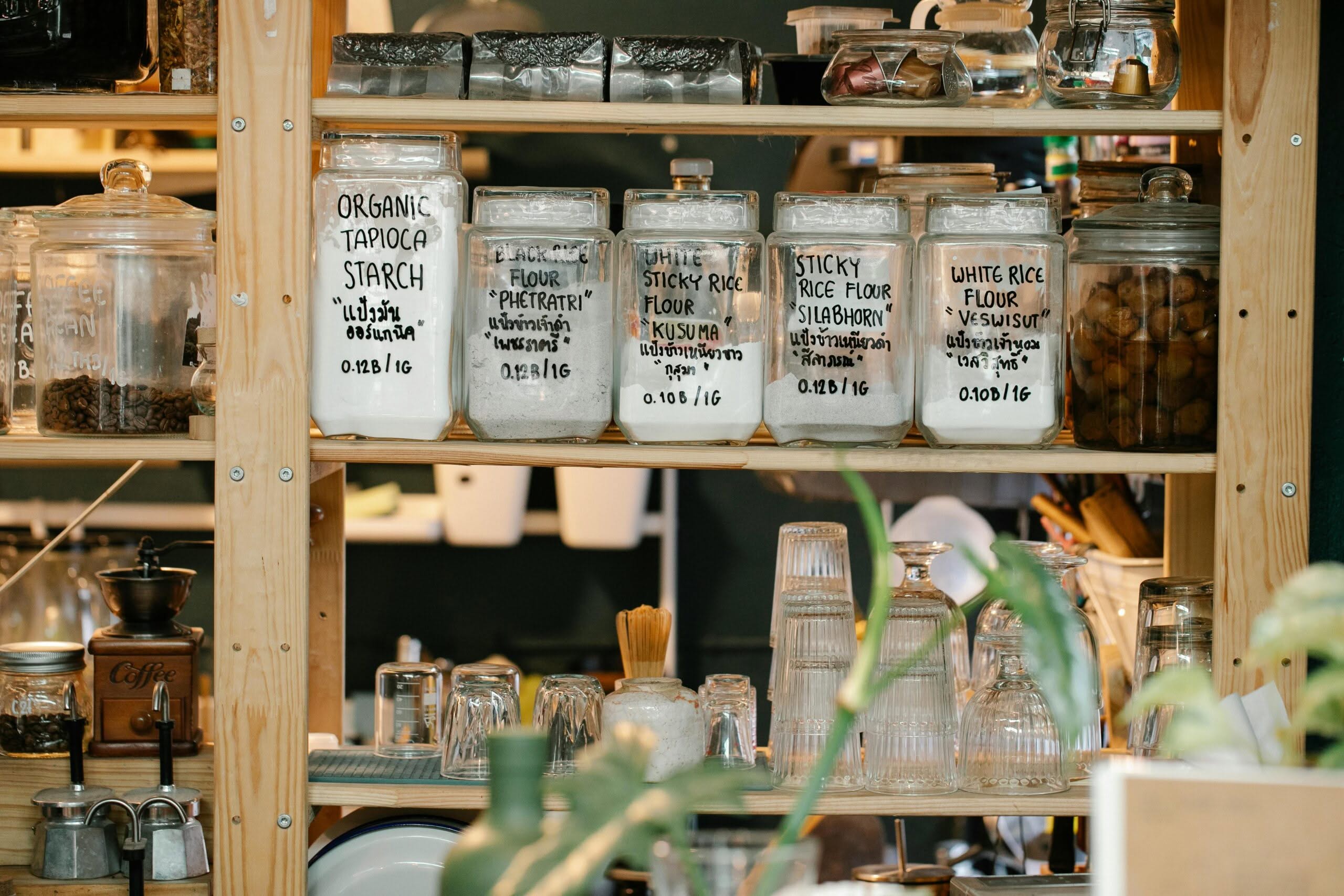
Changing the sugar without changing the flour solves only half the problem. White T45 wheat flour has a GI of around 85, comparable to sugar. For a coherent diabetes-friendly formulation, work on flours is as important as work on sugars.
Nut flours
Almond, hazelnut, pistachio, walnut flour. Very low carbohydrate density, rich in unsaturated fats and protein, near-zero GI. They are the best allies for tartlet bases, financiers, soft biscuits and reconstituted shortbreads.
- High raw material cost (8 to 15 times wheat flour)
- Major allergen to declare (INCO Regulation 1169/2011)
- Different structure, not suitable alone for every recipe
Ancient wholemeal flours
Einkorn, rye, buckwheat, kamut. Their molecular structure and fibre content slow the enzymatic digestion of starch. Particularly interesting in T130 or T150 (wholemeal) versions, where the fibre richness moderates the glycemic impact even further.
Lupin flour
Too rarely used in French pastry: 35 to 40% protein, very low GI, natural yellow colour, high fibre contribution. Allergen to declare (EU list of 14 major allergens).
The multi-flour logic
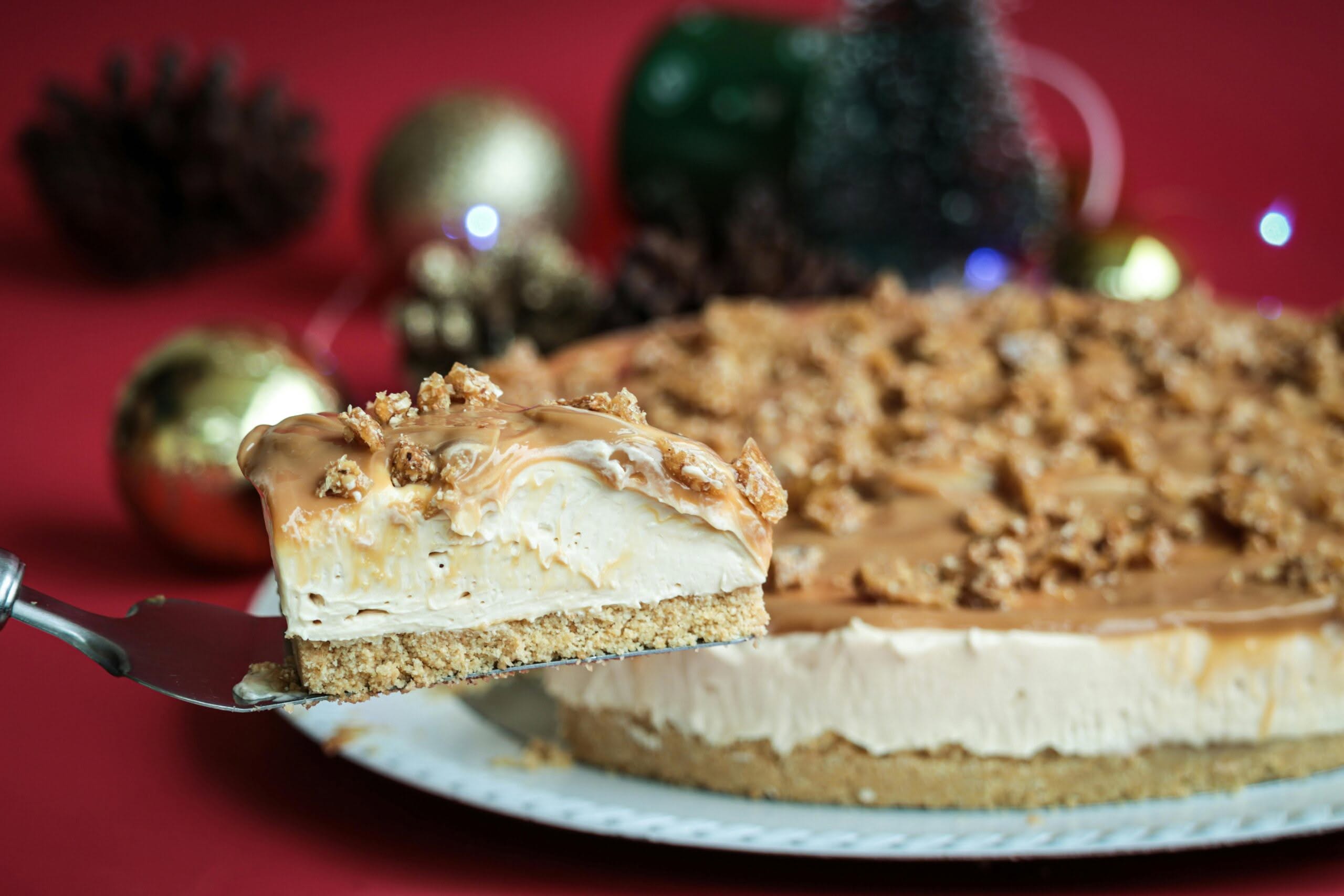
The real professional tool is never a single flour. It is a calibrated blend combining several sources with complementary functions. Typical example for a tartlet dough with controlled glycemic load:
- Almond flour: 50 to 60% – lipid and protein contribution, near-zero GI base
- Einkorn wholemeal flour T150: 25 to 35% – structure, fibre, light chew
- Oat fibre or psyllium: 5 to 10% – water retention, glycemic modulation
4. The glycemic modulation levers in formulation
This is where professional mastery sets itself apart from amateurism. The choice of raw materials represents only half the work. The other half plays out in the interactions between components and in preparation techniques.
The matrix effect through fats
A dessert rich in fat (butter, whole or ground nuts, dark chocolate 70% and above) slows gastric emptying. Direct consequence: the release of carbohydrates into the blood is spread over time, the glycemic curve flattens. The effect is measurable and documented.
The matrix effect through soluble fibres
Soluble fibres found in oats, psyllium, inulin and certain pectins form a light gel in the digestive tract that slows carbohydrate absorption. Count on 3 to 5% added soluble fibre in a recipe to observe a significant effect on the post-prandial curve.
Starch retrogradation
A starch cooked then cooled to below 4 C for at least 12 hours sees some of its molecules reorganise into type 3 resistant starch. This starch is no longer digested as an available carbohydrate but as a fibre. A 5 to 10% reduction in real glycemic load, useful for travel cakes kept refrigerated.
Acidity and pH
Adding acidic elements (lemon juice, acidic fruits, light vinegars) slows the enzymatic digestion of carbohydrates by reducing the activity of salivary alpha-amylase. A real effect on the post-prandial curve, well supported scientifically.
Diabetes-friendly pastry is not a discipline of deprivation. It is a discipline of orchestration where each component plays a precise role in modulating the final glycemic response.
5. Regulatory and ethical framework: the part that protects your offering
This is the part missing from 95% of articles on the subject, and yet it can legally expose an establishment. Before putting “suitable for people with diabetes” or “sugar-free” on the menu, you need to know the framework.
Claims governed by European regulation
Regulation (EC) No 1924/2006 governs nutrition and health claims. In pastry, the mentions to know:
- “Sugar-free”: maximum 0.5 g of sugars per 100 g or 100 ml of finished product
- “No added sugar”: no addition of mono- or disaccharide nor of any other food with a sweetening property
- “Reduced sugar content”: at least 30% reduction compared to the comparable product
- “Source of fibre”: at least 3 g of fibre per 100 g of product
- “High in fibre”: at least 6 g of fibre per 100 g of product
Responsible communication
No medical claim is permitted on a food product not labelled as a dietetic food. To be avoided: “anti-diabetes”, “against hyperglycemia”, “cures”, “fights”, “heals”. Permitted: “suitable for people with diabetes” (provided the product genuinely is), “formulated with reduced sugar content”, “with moderate glycemic load” (if calculated), “source of fibre”.
The pastry chef offers an adapted product. The doctor prescribes. The distinction matters legally and ethically. A serious B2B offering never invites the client to do without medical advice. It offers a product whose nutritional characteristics are documented, transparent and compliant with the regulatory framework.
6. Equipping the decision: from manual calculation to software management
Manually maintaining glycemic load calculations, equivalent sweetening powers, INCO nutritional values and regulatory labelling across a menu of ten to fifteen adapted desserts means several hours per recipe and a permanent risk of error. Tooling changes the horizon.
- Automatic calculation of complete nutritional value (8 INCO parameters) from the ingredients
- Generation of labels compliant with EU INCO 1169/2011, France, UK and US FDA regulations
- Automatic calculation of the Nutri-Score (official ANSES 2023) and the Eco-Score
- Molecular balancing (dry matter, fat, sweetening power, water, Aw) to validate the coherence of a reformulation
- Multi-recipe dashboard to manage an entire menu with nutritional coherence
It is to answer this precise need that I designed ChefBase, a software built for professional pastry chefs, chocolatiers, ice cream makers and bakers. The Nutrition & Labeling module automatically calculates INCO nutritional values, generates the official ANSES 2023 Nutri-Score, and produces labels compliant with the four main jurisdictions (EU, France, UK, US). The Formulation module integrates molecular balancing with specialised ganache and ice cream calculations. The AI Copilot supports reformulation in real time.
Conclusion: a formulation discipline, a business lever
Diabetes-friendly pastry is not a niche, not a concession, not a by-product. It is a formulation discipline that combines four dimensions: the rigorous choice of raw materials (sweeteners, flours), the orchestration of matrix effects (fats, fibres, acidity), the mastery of techniques (cooking, cooling, retrogradation), and compliance with the regulatory framework.
The 7.1% of French adults with diabetes in 2024 form a strategic customer segment for high-end establishments, whose loyalty depends directly on the quality of the welcome offered. Beyond the diabetes segment strictly speaking, controlled-glycemic-load formulation interests a far wider audience: athletes managing blood sugar, people under pre-diabetic monitoring, customers attentive to energy regulation.
Performance shows in the final result served on the plate. It is built in the rigour of the formulation.

Frequently asked questions about pastry for people with diabetes
Want to develop a pastry offering adapted to people with diabetes?
Menu audit, reformulation support, R&D dedicated to alternative pastry and team training on low-GI techniques. T.A. Consulting works with high-end hotels, fine-dining restaurants, coffee shops and culinary schools in France and internationally.
Thomas Albert is a pastry consultant and trainer specialising in high-end pastry and alternative formulations (vegan, gluten-free, lactose-free, low-GI). He works with prestigious culinary institutions (Le Cordon Bleu, Ecole Ducasse, Culinary Art Academy Switzerland, La Folie Douce) and international hotel groups. Founder of ChefBase, the all-in-one software for pastry professionals. More information at thomasalbert.fr.
Sources: Sante Publique France, 2024 Barometer. University of Sydney Glycemic Index Research Service. Regulation (EC) No 1924/2006 on nutrition and health claims. Regulation (EU) No 1169/2011 (INCO). USDA Food Data Central.

