


An unexpected journey from Kyoto to Paris
Imagine: I was in the heart of Gion, Kyoto’s traditional district, sitting opposite a Japanese tea master. One talks about vanilla, cream, and caramelization. My friend responds with umami, tannins, and infusion. From this encounter, a crazy idea was born: what if the most French of desserts, crème brûlée, were to be combined with the nobility of matcha and the depth of black tea?
This hybrid dessert, born out of a friendly exchange, is not just a whim. It perfectly illustrates how contemporary pastry-making plays on contrasts—milky sweetness versus vegetal bitterness, melt-in-the-mouth texture versus crunchy crust, French tradition versus Japanese delicacy.
The science of taste: matcha vs. black tea
Matcha: the green energy powder
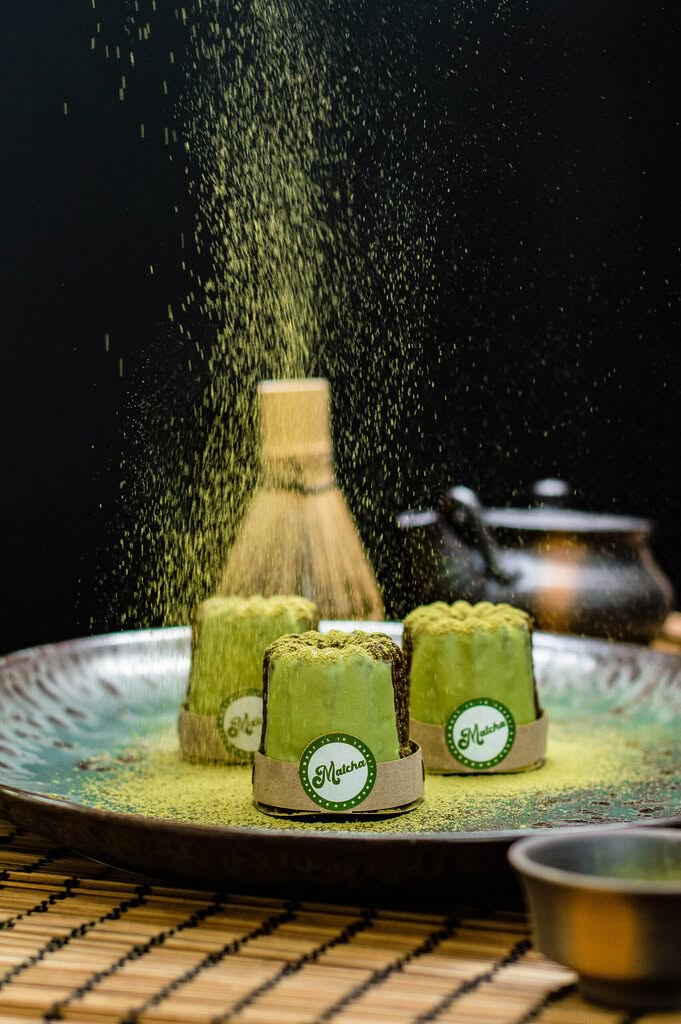
Matcha is not a traditional infusion, but a stone-ground green tea powder. This changes everything: you consume the whole leaf. The result? A concentration of antioxidants (catechins), caffeine, and L-theanine, which give it a taste that is vegetal, slightly bitter, and “umami.”
Black tea: oxidation and deep flavor
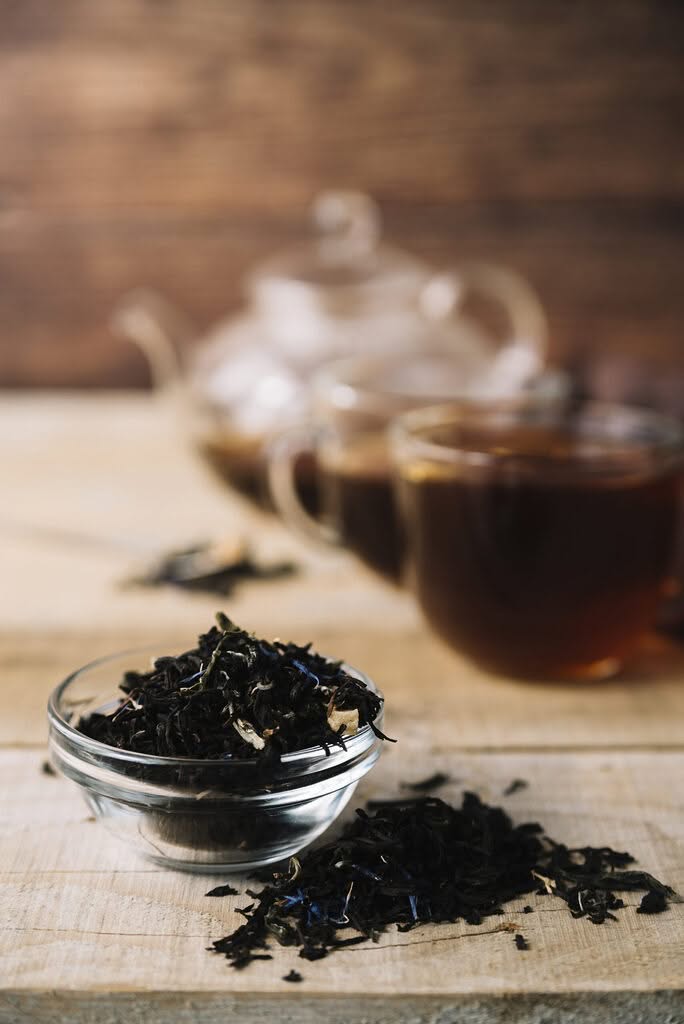
In contrast, black tea is fully oxidized. The catechins are transformed into theaflavins and thearubigins, which give it its dark color and malty, woody, and sometimes chocolatey notes. It is the perfect ally for bringing roundness and length to the palate.
Why does it work?
The combination of matcha and black tea works because they work complementarily: the fresh, vegetal bitterness of matcha is softened and prolonged by the roasted depth of black tea. Together, they balance the richness of crème brûlée, while adding an aromatic complexity worthy of a grand cru tasting.
A dessert that inspires contemporary pastry making
This recipe is more than just an exercise in style. It reflects a profound shift in pastry making: thoughtful fusion. It’s not just adding matcha “because it’s trendy,” but working with complementary aromatic molecules. I could have also used this approach to create new taste experiences: hojicha caramel cream, lapsang souchong panna cotta, sencha milk ganache…
In business terms, this new version of crème brûlée appeals to both:
- curious foodies, culinary travelers;
- experienced chefs looking for Franco-Asian influences;
- brands looking to capitalize on the popularity of premium teas and Japanese flavors.
Inspiring summary
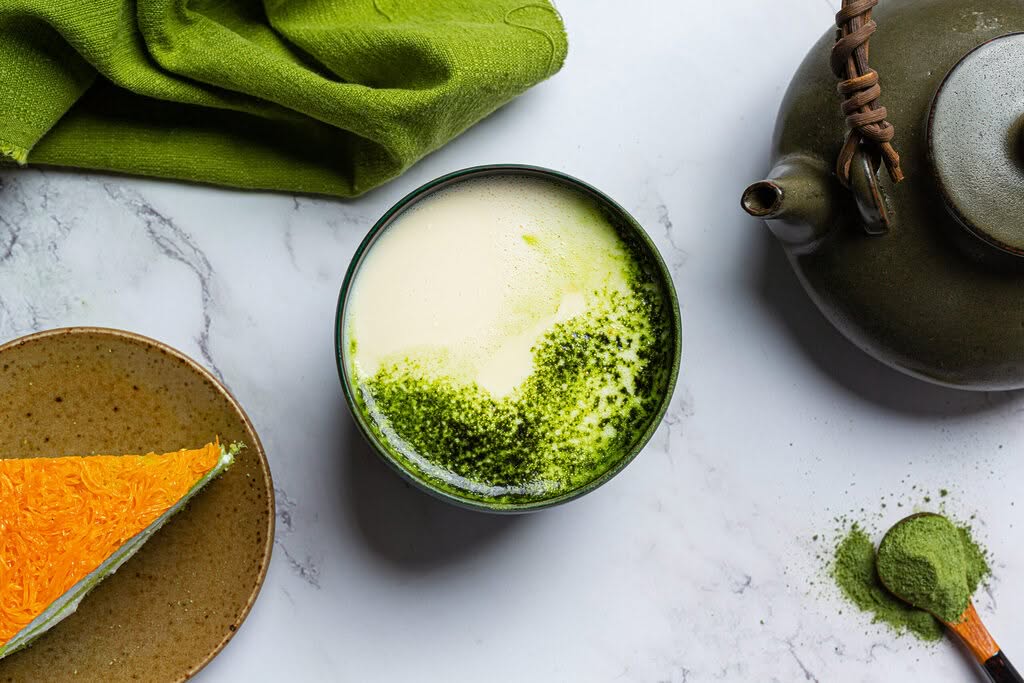
Matcha and black tea crème brûlée is not just a dessert: it is a bridge between two cultures, an invitation to slow down and savour the moment. Like a reinvented tea ceremony, where the pastry chef’s whisk replaces the matcha whisk, but where the philosophy remains the same: to enhance the present moment through a gourmet ritual.
Related articles

