


Sustainable pastry is an approach that integrates environmental, nutritional and ethical criteria into product design. It covers ingredient sourcing (local, sustainable, minimally processed), reduction of allergens and added sugars, waste minimization and formulation transparency. It is not a certification but a progressive professional practice.
Responsible baking: a new era for food lovers
What if sustainable pastry making were no longer just about taste, but also about its ability to nourish the body? Today, the role of the pastry chef goes beyond visual and gustatory pleasure. It is now about offering gourmet desserts that are balanced and healthy.
In a world saturated with refined sugar, saturated fats, and ultra-processed products, consumers are looking for healthier alternatives. Sustainable and alternative baking is emerging as an act of creativity and awareness.
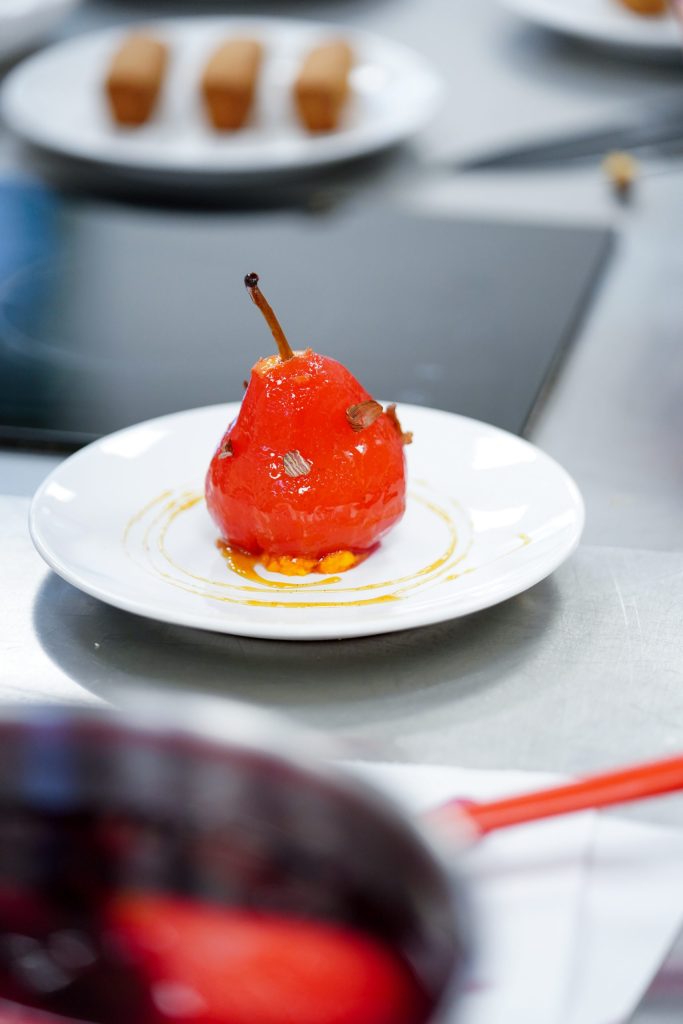
The main nutritional challenges in baking
Excess sugar
Refined sugar is a major factor in imbalance (unstable blood sugar, fatigue, addiction). Alternative baking is now exploring natural solutions: low glycemic index sugars, gradual reduction, or added fiber, without sacrificing taste.
Excess saturated fat
Butter, cream, frying… these fats add richness, but also pose cardiovascular problems. Responsible baking favors healthy fats (oilseeds, vegetable oils) and optimizes textures through innovative processes.
Lack of fiber
A diet low in fiber is quickly digested and does not provide lasting satiety. Chefs are now incorporating soluble and insoluble fiber (whole grains, legumes, technological fibers) to enrich desserts and balance their nutritional profile.
Lack of vitamins and minerals
A very sweet or overly processed fruit tart may look appetizing, but it can be low in nutrients. Alternative baking puts raw, authentic ingredients back at the heart of the discourse, using gentle cooking methods and minimally refined products.
The drivers of alternative baking
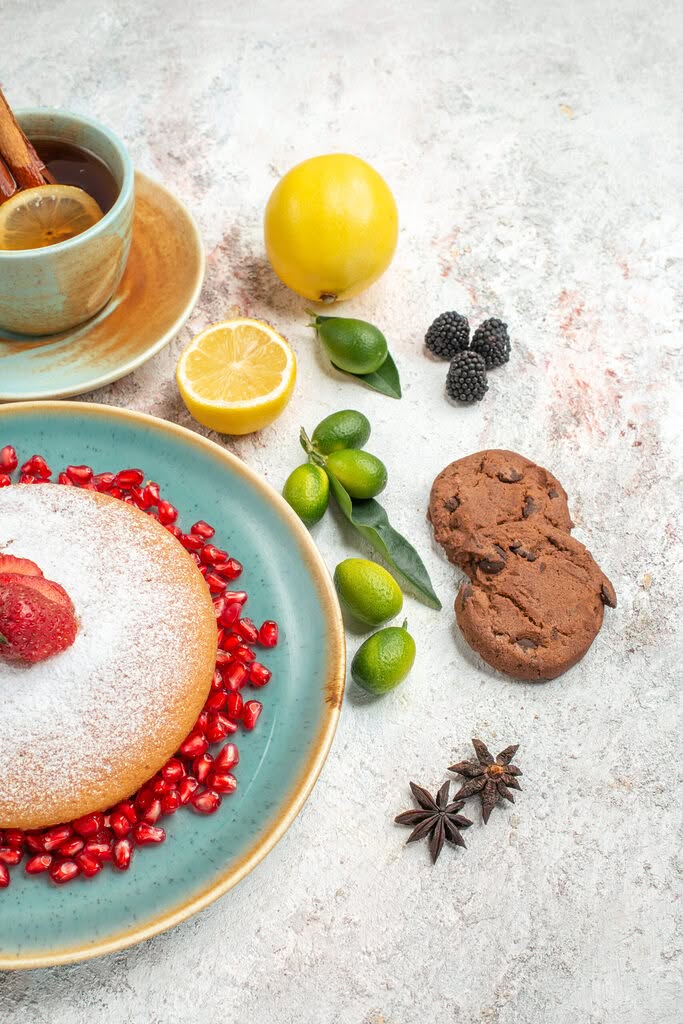
Food science shows that you can:
- Reducing sugar while enhancing the perception of sweetness through aromatic balance.
- Replace some of the saturated fats with emulsions, dried fruit, or fiber.
- Enrich with fiber to prolong satiety and improve the glycemic index.
- Preserving vitamins and minerals through controlled cooking methods and minimally processed raw ingredients.
A strong and lasting trend
The demand for healthy, responsible, and alternative baked goods is booming in:
- Schools, which train future leaders in nutritional issues.
- B2B brands, which are innovating with more balanced and appealing products.
- Premium consumers, willing to invest in desserts that combine health and pleasure.
💡 Did you know? Products perceived as healthier are growing twice as fast as traditional products.
The role of the head pastry chef
Being a responsible pastry chef today does not mean giving up pleasure: it means redefining indulgence. Less sugar, less saturated fat, more fiber, and more nutrients: a constraint that becomes a creative and differentiating force.
👉 This is exactly the transformation I support in my training courses in responsible and alternative pastry making: understanding nutrition, mastering modern techniques, and creating desserts that are as appealing as they are nutritious.
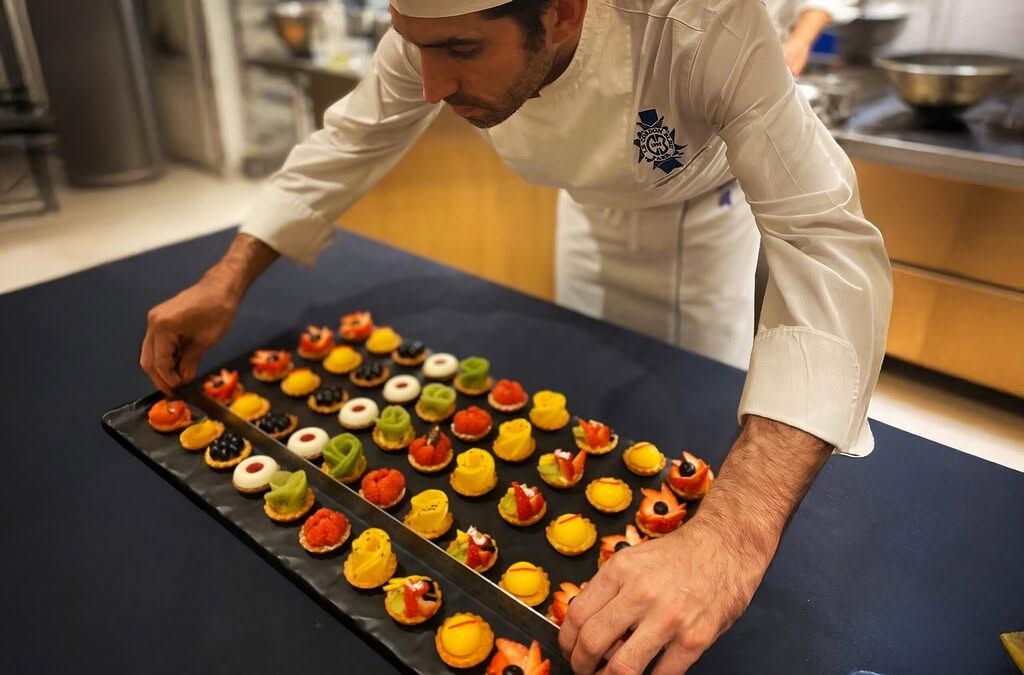
Conclusion: responsible baking, a sustainable revolution
Responsible pastry making is not a trend, it is a cultural and professional revolution. Its foundations are clear: nutritional balance, respect for ingredients, and creativity. It is up to us, pastry chefs and enthusiasts, to seize this opportunity to build the future of a profession that nourishes the body as much as the palate.
Related articles
Frequently asked questions: sustainable and responsible pastry
To go further, discover our introductory course on alternative pastry.

